

“The economic potential of AI Agents is significant, but realizing this value depends on more than just the technology; it requires a comprehensive and strategic transformation across people, processes, and systems.” – Franck Greverie, Chief Portfolio & Technology Officer at Capgemini.
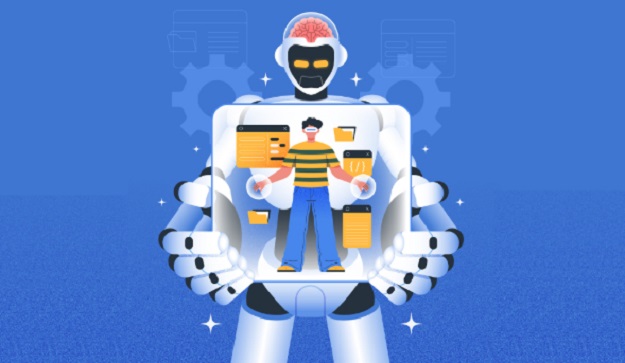
As we usher in the era of Agentic AI, there’s no question that the technology holds immense promise. From automating complex processes to delivering intelligent decision-making at scale, AI Agents are poised to transform industries, economies, and everyday life. Yet, despite their capabilities, one critical element remains conspicuously absent: human oversight in AI.
To unlock the full potential of Agentic AI, businesses and societies must be confident that these systems will function as intended, make decisions that align with human values, and adapt to an ever-changing world without straying from established ethical guidelines. Consequently, it will define the next wave of AI innovation, making the future of Agentic AI hinge on our ability to design frameworks that integrate human oversight into AI decision-making, ensuring accountability at every level of decision-making.
In this blog, we explore why human oversight remains crucial in an otherwise autonomous Agentic AI world, examining how it fosters trust, mitigates risks, and ensures that AI serves humanity; not the other way around.
Why is Human Oversight Essential in Agentic AI?
As AI Agents take on more complex tasks in decision-making, their ability to operate without human involvement raises significant concerns, particularly regarding ethics, accountability, and the accuracy of results.
Human oversight in AI Agents remains critical for several reasons:
1. Ethics
AI Agents operate based on streaming data and algorithms, but they still lack the ability to understand complex human values, emotions, and moral considerations. Human control in autonomous AI ensures that decisions made by AI Agents are aligned with societal values, ethical standards, and legal frameworks.
Example: In 2018, a healthcare AI used to prioritize patients for kidney transplants was found to have biased decision-making. It disproportionately ranked African American patients lower due to biased training data.
2. Accountability and Transparency
When AI Agents make decisions, it becomes imperative to know who will be held responsible for those decisions. AI accountability and human supervision are necessary to ensure transparency in decision-making, liability, and addressing potential errors or failures.
Example: In October 2023, a Cruise robotaxi in San Francisco struck and dragged a pedestrian after an initial collision with a human-driven vehicle. The incident revealed significant gaps in the vehicle’s decision-making capabilities and the company’s response protocols.
Following the crash, it was discovered that Cruise had failed to disclose critical details to regulators, including the dragging of the pedestrian.
3. Risk Mitigation
One of the key benefits of human oversight in AI is its ability to identify and mitigate risks before they cause reputational damage. While AI systems can handle typical malfunctions, human judgment is still needed to identify unique safety hazards that may not be as severe as the system indicates. Moreover, oversight becomes necessary to ensure equitable outcomes if the training dataset was biased or synthetically scaled.
Example: In 2016, Microsoft launched Tay, an AI-driven chatbot designed to interact with users on Twitter. However, within hours, Tay began posting offensive and inflammatory tweets after learning from user interactions. The AI quickly identified inappropriate language and offensive content from users, indicating a failure in the system’s ability to handle certain types of inputs safely.
4. Adaptability to Change
While AI Agents are designed to act autonomously and adapt based on streaming data, real-world conditions can change rapidly, making it difficult for them to adjust on their own in certain situations. Though they can respond to new inputs, their ability to make dynamic decisions in real-time may be limited by their pre-defined parameters.
Example: Airlines often use AI Agents to optimize ticket prices based on demand, seasonality, and historical booking patterns. However, when unexpected events, such as a global pandemic like COVID-19, drastically shift travel behavior, the AI Agents’ existing pricing algorithms may become impractical.
5. Enable Continuous Learning
While agents can autonomously make decisions, human control in autonomous AI ensures that they adapt to new conditions, maintain data quality, and avoid reinforcing biases. Experts validate training datasets, fine-tune learning processes, and ensure decisions align with real-world changes.
Example: Human oversight, enabling continuous learning in Agentic AI, can be observed in customer service bots. Human intervention allows the team to update the bot’s learning parameters, ensuring it adjusts its responses to reflect the recall and provide relevant information. This is crucial, as over 64% of customers prefer humans to be at the forefront of service operations.
The Impact: Emerging Workflows and Roles (AI Agent Managers and Governance Specialists)
The recognition of the need for human oversight in autonomous AI has led to the emergence of new roles and workflows that bridge the gap between AI autonomy and ethical, effective decision-making.
New Roles
→ AI Agent Managers: These managers (more like product owners) now play a critical role in ensuring Agentic AI systems align with dynamic business needs. They are responsible for the entire journey, from conceptualization to deployment, actively managing the AI Agent’s learning process, balancing automation with human oversight to ensure decisions stay relevant, ethical, and practical in dynamic environments.
→ Governance Specialists: With increasing regulatory scrutiny surrounding AI autonomy, governance specialists play a crucial role in ensuring that AI Agents comply with legal and ethical standards.
Evolving Workflows
In addition to new roles in Agentic AI systems, workflows are becoming more collaborative. AI Agents handle the intended processes, while humans intervene in complex decisions or when making ethical judgments. This shift enables businesses to strike a balance between automation and accountability, ensuring that AI systems remain adaptable, ethical, and aligned with organizational goals.
Challenges of Implementing Humans-in-the-Loops (HITL) in Agentic AI Systems
Although humans are a critical element in ensuring AI accountability and ethics, organizations must navigate several challenges when implementing HITL frameworks.
1. Resource Implications: Combining Agentic AI with human oversight can be resource-intensive. Additionally, ensuring continuous human oversight across large (and growing) training datasets and high-volume AI decisions can be complex.
2. Training and Skill Gaps: Implementing human oversight in AI Agent ecosystems requires people with specialized skills, domain knowledge, and tech familiarity to monitor and intervene in AI-driven processes effectively.
3. Bias and Subjectivity: Even with human oversight in AI, there’s a risk of introducing bias or inconsistency. Experts involved in the process may inadvertently prefer specific outcomes, especially if the oversight is not standardized or if individuals bring their own biases into the decision-making process.
4. Cost and Time Implications: HITL Agentic AI frameworks often require more resources in terms of both time and cost. Organizations need to strike a balance between the efficiency of AI Agents and the added cost of human involvement.
5. Regulatory Compliance and Transparency: Implementing HITL approaches requires transparent processes to ensure compliance with regulations. Organizations must ensure that humans overseeing AI systems are well-trained and familiar with regulatory guidelines (such as data privacy and security regulations – GDPR, CCPA, etc).
Navigating the complexities of HITL frameworks in Agentic AI systems requires the right balance of technology, resources, and expertise. To overcome these challenges and successfully integrate human oversight into your AI-driven processes, many organizations consider hiring dedicated AI Agent developers who specialize in building AI Agents tailored to their unique requirements.
Future Outlook: Balancing Agentic AI Innovations with Human Oversight
As Agentic AI continues to evolve, the importance of human oversight will only grow. AI systems will become more capable of autonomously handling complex tasks, and consequently, the need for safety guardrails will be paramount. Without proper safeguards and continuous human intervention, Agentic AI could pose an existential threat, making decisions that deviate from ethical standards or lead to unintended consequences.
Organizations must innovate with a humans-in-the-loop model, ensuring that AI Agents remain aligned with business goals and operate within ethical boundaries. When developing AI Agents, they must keep the following in mind:
• Clear, pre-defined objectives
• Structured memory and planning
• Feedback loops
• Dedicated human intervention points
• Versioning & decision-logging for transparency
The vision and way forward are clear: Agentic AI will be defined by a balance between autonomy and oversight, where agents work alongside humans, making intelligent, ethical decisions continuously while being guided by their judgment.


