

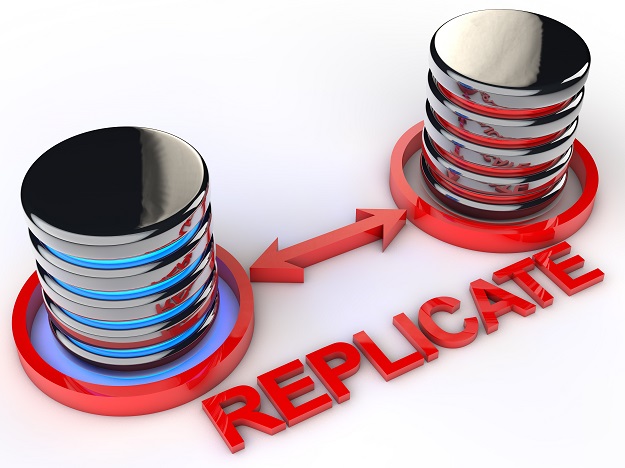
In today’s data-driven corporate environment, continuous system availability, real-time analytics, and operational resilience are non-negotiable requirements for business continuity. As organizations transition to hybrid multi-cloud environments, distributed databases, and high-concurrency enterprise applications, maintaining data integrity across disparate locations becomes a primary challenge. Using data replication to boost business operations allows modern enterprises to protect critical digital assets, minimize expensive system downtime, and deliver low-latency user experiences across global markets.
Data replication involves copying and maintaining database objects—such as tables, transaction logs, and entire storage volumes—across multiple server nodes, data centers, or cloud platforms. Rather than relying on static, delayed periodic backups, modern replication pipelines operate in real-time or near-real-time to ensure data consistency everywhere.
1. Ensuring Uninterrupted Business Continuity and High Availability
System outages and unexpected server failures carry catastrophic financial and reputational costs. Whether caused by hardware faults, cloud provider region disruptions, or natural disasters, prolonged downtime halts core business transactions and damages customer trust.
By implementing automated, multi-region database replication, organizations construct high-availability failover environments that prevent single points of failure.
Key Reliability Benefits:
# Near-Zero Recovery Point Objective (RPO): Real-time synchronous or asynchronous replication ensures that transactional data is constantly mirrored across secondary nodes, preventing data loss during unexpected crashes.
# Rapid Recovery Time Objective (RTO): If a primary database server goes offline, automated failover mechanisms instantly shift incoming traffic to mirrored replica nodes without interrupting active end-user sessions.
# Geographic Redundancy: Replicating mission-critical data across multiple distinct geographical availability zones insulates your enterprise against localized power grids or regional server facility failures.
2. Accelerating Analytics with Read-Write Database Decoupling
Modern applications frequently suffer from database performance bottlenecks when reporting tools, business intelligence (BI) dashboards, and transactional engines query the same primary database simultaneously. Executing complex analytical queries on operational transactional engines degrades system responsiveness for active clients.
Using data replication to boost business efficiency solves this resource contention problem by isolating transactional workflows from heavy analytical processing.
Performance Optimization Strategies:
# Dedicated Read Replicas: Route all primary application write transactions (inserts, updates, deletes) to a master database while distributing resource-heavy SELECT and reporting queries across read-only replica servers.
# Offloading Data Warehouses: Stream transaction logs continuously via Change Data Capture (CDC) technologies directly into enterprise data warehouses like Snowflake, BigQuery, or Amazon Redshift.
# Enhanced Query Response Speeds: Decoupling analytical workloads prevents application locking, ensuring end-users experience fast page loads even during peak traffic spikes.
3. Reducing Latency for Global User Bases
As modern companies expand international operations, routing all global network requests back to a single centralized data center introduces unavoidable latency. High latency leads to slow page renders, abandoned shopping carts, and decreased customer satisfaction.
Data replication enables edge computing models by positioning up-to-date data replicas geographically closer to end consumers.
How Distributed Replication Improves User Experience:
# Localized Edge Database Nodes: Mirroring core database tables to cloud data centers located near key international user pools reduces round-trip network ping times.
# Improved Mobile Application Speed: Applications pull static and dynamic content from regional read replicas, dramatically accelerating mobile app response speeds.
# Scalable Global Expansion: Opening new international markets becomes seamless when you can easily deploy localized database replicas into local regional cloud infrastructure.
4. Strengthening Cyber Resilience Against Ransomware and Data Corruption
Cyber threats, specifically targeted ransomware attacks and accidental administrator data deletions, pose severe threats to modern organizational stability. While traditional daily backups can take hours or days to restore, advanced replication architectures provide granular point-in-time recovery capabilities.
Integrating immutability and time-stamped log archiving into your replication pipelines creates a robust defense against cyber incidents.
Data Protection Framework:
# Point-in-Time Recovery (PITR): Replicated write-ahead logs allow system engineers to rollback database states to the exact second prior to a ransomware infection or accidental table drop.
# Air-Gapped Replicas: Maintaining isolated, read-only secondary replicas with delayed sync intervals ensures clean data states remain available for immediate restoration during security breaches.
# Compliance and Governance: Secure, encrypted data replication protocols help enterprises satisfy strict regulatory compliance frameworks (such as GDPR, HIPAA, and SOC 2) requiring data durability and auditability.
5. Synchronizing Legacy Systems with Modern Cloud Platforms
Legacy enterprise software systems often hold valuable historical business data but lack the flexibility to integrate directly with modern AI platforms, cloud-native microservices, or web APIs. Total system overhauls are risky, expensive, and time-consuming.
Replication bridges the technological gap between legacy infrastructure and cloud innovation by enabling real-time hybrid cloud synchronization.
Hybrid Cloud Integration Workflow:
# Bi-Directional Cloud Replication: Replicate on-premises legacy database records to cloud environments automatically, empowering modern web applications while preserving core legacy operational databases.
# Zero-Downtime System Migrations: Transition legacy databases to modern cloud architectures seamlessly by replicating live data streams continuously until final cutover, avoiding operational downtime.
# Enabling AI and Machine Learning Models: Stream live operational data streams into cloud AI pipelines to generate real-time predictive inventory management and automated customer insights.
Wrapping Up: Building a High-Performance Data Architecture
Understanding how using data replication to boost business operations transforms IT architecture allows enterprise leaders to build resilient, ultra-fast, and highly secure digital platforms. By implementing real-time database replication, separating read-write workloads, reducing global user latency, and safeguarding critical records against cyber threats, your organization secures a strong competitive advantage.
Audit your current database architecture today to identify performance bottlenecks, establish redundant failover locations, and implement scalable data replication pipelines to support your company’s future growth and better advancement.


