

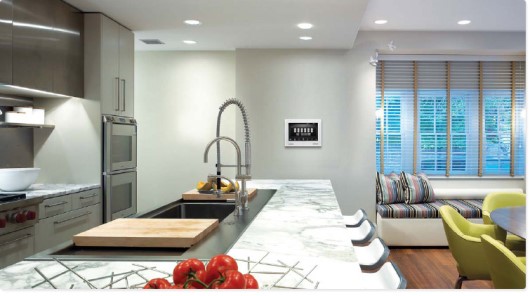
Transforming a traditional house into an intelligent living environment is no longer a futuristic concept reserved for tech enthusiasts. Today, connected devices seamlessly automate indoor lighting, adjust climate control based on occupancy, and enhance home security using real-time smartphone alerts. Understanding modern smart home automation trends is essential if you want to build a reliable, secure, and energy-efficient digital living space without falling into compatibility traps.
In the early days of consumer IoT (Internet of Things), setting up smart devices meant dealing with fragmented ecosystems, unreliable Wi-Fi pairing, and complex bridge hardware. Today, unified wireless standards and edge AI have simplified setup, allowing smart plugs, thermostats, lighting systems, and security devices to communicate effortlessly across platforms.
1. The Universal Standard: Why Matter Protocol Changes Everything
For years, the biggest obstacle facing home automation was ecosystem lock-in. Buyers had to check whether a smart lock or light bulb worked specifically with Apple HomeKit, Amazon Alexa, or Google Home.
The introduction of the Matter standard (over Thread protocol) fundamentally solves this fragmentation issue. Matter creates a single local communication layer that allows devices from competing brands to work together locally without relying on slow cloud servers.
Advantages of Matter-Compatible Devices:
# Interoperability: Control the same smart light bulb simultaneously using Google Assistant voice commands and the Apple Home app on your iPhone.
# Local Processing: Commands trigger locally over your network, ensuring your automated routines work even if your main internet connection goes down.
# Instant Setup: Scanning a single QR code pairs new hardware across all enabled smart controllers on your network.
2. Artificial Intelligence and Predictive Automation
Early smart home devices relied on rigid “If This, Then That” rules that required manual programming. Modern ecosystems utilize machine learning algorithms to predict user habits and adapt operating schedules dynamically.
Instead of setting a fixed schedule for your thermostat, smart thermostats analyze historical usage patterns, household occupancy, and real-time weather forecasts to optimize HVAC heating and cooling cycles automatically.
Key AI Integration Upgrades:
# Predictive Climate Adjustment: Systems pre-cool or pre-heat spaces right before you return home, reducing standby electricity costs.
# Smart Presence Detection: Utilizing millimeter-wave (mmWave) radar sensors to track micro-movements (like breathing), preventing lights from shutting off while you are quietly reading in a room.
# Acoustic Event Detection: Smart speakers that detect structural sounds like glass breaking, smoke alarms ringing, or water leaking, triggering immediate mobile security alerts.
3. Intelligent Energy Management and Sustainability
Rising utility bills and environmental awareness have made energy efficiency a top priority for modern home upgrades. Connected energy management tools give homeowners granular, real-time visibility into electricity consumption across individual appliances.
High-Impact Energy Upgrades:
Smart Breaker Panels: Digital circuit panels that monitor overall household energy draw and allow you to turn off non-essential high-power circuits during peak electrical rate hours.
# Intelligent Water Shut-Off Valves: Smart leak detectors installed at water main connections automatically shut off municipal water supply when abnormal flow rates or pipe bursts are detected.
# Automated Window Coverings: Motorized blinds that close automatically during peak daylight hours to reduce solar heat gain and decrease air conditioning loads.
4. Next-Level Home Security and Edge Processing
Traditional home security relied on loud local sirens and third-party monitoring centers. Modern smart security leverages edge processing—computing AI tasks directly on device hardware rather than transmitting private video feeds to external cloud databases.
Video doorbells and security cameras equipped with Neural Processing Units (NPUs) analyze video feeds instantly at your doorstep.
Advanced Security Capabilities:
Package and Animal Detection: Distinguishes between delivery packages, pets, passing vehicles, and human trespassers to prevent false notification spam.
# Local Video Storage: Stores encrypted high-definition video footage locally on hub hard drives, eliminating expensive monthly cloud subscription fees.
# Smart Lock Integration: Biometric fingerprint scanners and hands-free UWB (Ultra-Wideband) door locks unlock automatically as you approach carrying groceries.
5. Overcoming Privacy Concerns and IoT Network Security
As homes become filled with internet-connected cameras, microphones, and sensors, protecting network security is paramount. Insecure smart devices can serve as entry points for unauthorized network access if not configured correctly.
Essential Smart Home Security Checklist:
# Isolate on a Guest Network: Create a dedicated secondary Wi-Fi network (or VLAN) specifically for smart devices to isolate them from your primary laptops and smartphones.
# Disable Cloud UPnP: Turn off Universal Plug and Play on your router to prevent devices from automatically opening external firewall ports.
# Enforce Strong Authentication: Always enable Two-Factor Authentication (2FA) on your central Amazon, Google, or Apple accounts.
Wrapping Up: Embracing Smart Home Automation Trends
Designing an automated residence is an ongoing journey rather than a single purchase. Removing outdated year-specific limitations and building on open standards ensures your ecosystem remains flexible and upgradeable for years to come.
By staying updated on the latest smart home automation trends, prioritizing Matter-compatible hardware, and securing your wireless network, you can build a reliable digital home that improves everyday convenience, enhances security, and lowers ongoing energy costs.


