

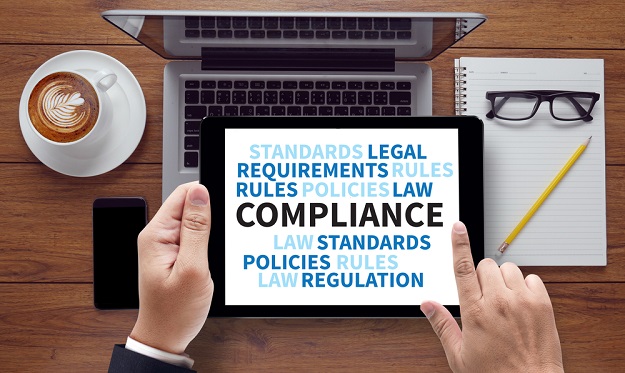
Big companies have a wide variety of problems that need to be solved on a daily basis. Dealing with problems involving regulations and compliance issues is not a responsibility that you want to leave up to amateurs to solve. Making sure that all of these issues are dealt with in a timely manner is essential for your business to keep running smoothly. Navigating the complex web of industry standards, data privacy laws, and corporate regulations has become one of the most demanding operational hurdles for modern growing enterprises. Whether running an emerging tech firm, an e-commerce platform, or a financial service agency, failing to meet regulatory obligations can lead to severe fines, operational bottlenecks, and long-term reputational damage. Finding a reliable business regulatory and compliance solution is no longer just a legal safeguard—it is a core strategy for sustainable growth.
When compliance issues arise, business leaders often face a dilemma: hire costly legal retainers or implement software-driven monitoring platforms. Understanding your organization’s exact exposure points will help you choose a path that protects your revenue without draining your budget.
Why Modern Enterprises Need a Dedicated Business Regulatory and Compliance Solution
Regulatory standards evolve continuously. From international data privacy directives like GDPR to local labor laws and tax reporting frameworks, tracking changes manually is practically impossible. Partnering with a comprehensive business regulatory and compliance solution offers key operational advantages:
# Risk Mitigation: Automated tracking ensures reporting deadlines are never missed, eliminating heavy administrative penalties.
# Data Security Integrity: Modern regulatory tools ensure customer data handling strictly aligns with current regional data mandates.
# Operational Efficiency: Offloading compliance tracking lets your internal team focus on business development rather than legal paperwork.
# Stronger Partner Trust: Enterprise clients and investors prefer working with organizations that demonstrate strict adherence to industry standards.
Essential Steps to Select the Right Compliance Partner
Choosing an ill-fitting advisory service or software tool can lead to wasted capital and unexpected legal gaps. Use this practical framework to evaluate your options effectively:
1. Map Out Your Specific Industry Directives
Not all compliance frameworks follow the same blueprint. A healthcare-oriented service requires HIPAA oversight, whereas a SaaS platform requires SOC 2 and ISO certifications. Clearly define your non-negotiable legal requirements before evaluating vendor features.
2. Prioritize Real-Time Monitoring and Alerts
Spreadsheets are no longer sufficient for managing enterprise risk. Choose a provider or platform that actively monitors regulatory updates and provides instant notifications when rules change within your operational domain.
3. Check System Integration Capabilities
Your compliance ecosystem shouldn’t operate in a silo. Ensure the provider or software interfaces smoothly with your existing tools—such as your accounting software, CRM, and HR systems—to reduce manual data entry and human error.
4. Look for Scalability and Customization
As your enterprise enters new markets, your legal obligations will naturally expand. Select flexible solutions that allow you to activate additional compliance parameters without having to overhaul your core architecture.
5. Demand Detailed Audit Trails
If your company faces an official inquiry, having clear documentation is vital. Ensure your solution generates exportable, tamper-proof logs that external auditors can review easily.
Read Also –
Personal Injury Law Firm Marketing Ideas that Yield Impressive Results
5 Red Flags to Avoid When Vetting Providers
Keep an eye out for these potential pitfalls when reviewing potential legal or software vendors:
# Generic Templates: One-size-fits-all legal templates rarely withstand formal audits. Avoid providers offering rigid documentation without tailored support.
# Infrequent Regulatory Updates: Laws change rapidly. If a vendor does not offer ongoing updates, your coverage will quickly become outdated.
# Hidden Fee Structures: Review contract terms carefully to ensure there are no surprise charges for scaling, additional user accounts, or data storage.
# Slow Technical Support: Compliance emergencies require fast responses. Steer clear of providers without dedicated technical or legal support teams.
# Weak Internal Security: If a vendor handles your internal compliance data, their own infrastructure must meet strict encryption standards.
A Practical Implementation Roadmap
Once you settle on a service or software platform, execute a structured rollout:
1. Perform an Internal Baseline Audit: Document existing processes, security measures, and software licenses before onboarding your new provider.
2. Appoint an Internal Lead: Assign a dedicated manager to oversee integration and act as the primary contact for compliance matters.
3. Train Your Team: Host clear training sessions so employees understand updated protocols and internal reporting channels.
4. Schedule Regular Reviews: Audit your compliance performance quarterly to adjust for operational changes or new regulations.
Wrapping Up: Selecting the Ideal Business Regulatory and Compliance Solution
Keeping up with corporate regulations doesn’t have to stall your business momentum. By taking the time to evaluate your unique risks and adopting a scalable business regulatory and compliance solution, you turn complex legal mandates into a reliable operational asset.
Take the necessary steps today to audit your needs, vet candidate platforms thoroughly, and invest in a business regulatory and compliance solution that safeguards your operational future for years to come.


