

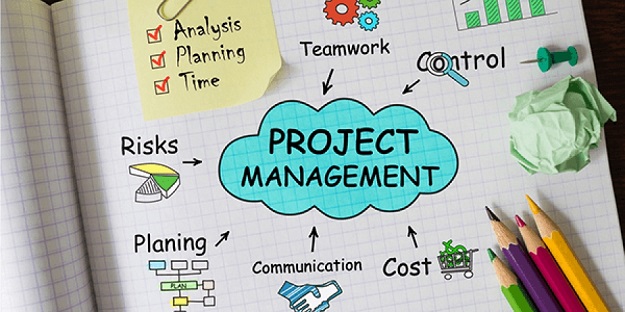
Is project management important in construction? A lot of people have this question in their mind when they first hear ‘project management.’ The construction sector is one of the most dynamic, resource-intensive, and risk-prone industries in the modern economy. Whether erecting a commercial high-rise, developing a residential township, or upgrading municipal infrastructure, every building site operates under strict deadlines and tight budgets. Without structured oversight, even straightforward jobs can devolve into operational chaos. Understanding the importance of project management in construction is essential for developers, contractors, and site owners who want to complete projects on time, within budget, and to specified quality standards.
Effective management acts as the central nervous system of any build site. It bridges the gap between architectural vision and ground-level execution, ensuring that materials, labor, specialized machinery, and legal permits align seamlessly.
Key Reasons Highlighting the Importance of Project Management in Construction
Navigating modern site work requires far more than basic supervisory skills. Here are the core pillars that demonstrate why professional oversight is non-negotiable for modern projects:
1. Accurate Budget Control and Cost Management
Cost overruns are among the most frequent threats facing building projects. Unforeseen material price increases, inaccurate estimation, and poor resource tracking can quickly destroy profit margins.
A dedicated project manager establishes a precise baseline budget during the pre-construction phase. By monitoring daily expenditures, negotiating supplier contracts, and tracking labor hours, they prevent financial leakage before it impacts your bottom line.
2. Rigorous Schedule Alignment and Timeline Control
In construction, time directly equals money. Delaying a concrete pour or waiting for subcontractor crews cascades down the entire build schedule, causing costly downtime.
Detailed scheduling breaks down the entire project lifecycle into manageable milestones. Through critical path analysis, managers anticipate potential bottlenecks—such as weather disruptions or delayed permit approvals—and reallocate resources to keep the project moving forward on schedule.
3. Comprehensive Risk Mitigation and Hazard Control
Construction sites are inherently hazardous environments filled with financial, legal, and physical risks. Unmanaged hazards can lead to site accidents, expensive lawsuits, or complete regulatory shutdowns.
Systematic management identifies exposure points early in the planning stage. Establishing strict safety protocols, maintaining comprehensive insurance coverages, and conducting regular compliance audits protects workers while keeping the firm clear of severe legal liabilities.
Essential Phases of Construction Management Execution
To achieve predictable success across complex builds, execution relies on a structured, multi-phase lifecycle:
Phase 1: Pre-Construction Planning and Feasibility
Before heavy equipment arrives on site, thorough groundwork is required. This phase involves conducting site surveys, evaluating architectural blueprints, securing municipal permits, and refining cost estimates to ensure the project is viable.
Phase 2: Resource Procurement and Contracting
Sourcing certified materials, securing heavy machinery, and vetting specialized subcontractors occur here. Establishing transparent subcontracts and clear performance parameters prevents quality disputes later during active building.
Phase 3: Active On-Site Execution and Monitoring
During active construction, daily site supervision ensures tradespeople execute work according to structural specifications. Quality assurance checks, material testing, and safety inspections take place continuously.
Phase 4: Commissioning, Handover, and Closeout
Once structural work finishes, the site undergoes detailed punch-list inspections. Systems are tested, final municipal sign-offs are secured, and complete operational documentation is handed over to the building owner.
Common Obstacles Avoided Through Structured Management
Without a clear management framework, project owners frequently face preventable operational traps:
# Scope Creep: Unplanned design changes requested mid-project without adjusting budgets or deadlines.
# Communication Breakdown: Misalignment between off-site architects, structural engineers, and on-site field supervisors.
# Substandard Quality Control: Using inferior materials or rushed workmanship that leads to structural failures later.
# Supply Chain Delays: Failing to order critical materials with sufficient lead times, stalling on-site workers.
Wrapping Up: Realizing the Importance of Project Management in Construction
We are aware that the construction projects are immensely challenging and full of stress even for experienced construction professionals. One has to consider a multitude of factors in renovation or reconstruction. From hunting for the best quote to managing several contractors and suppliers, it is but imperative to take the right decisions.
Building projects involve high capital investments, tight operational windows, and complex regulatory standards. Relying on guesswork or disorganized oversight creates unnecessary financial exposure and reputational damage.
By recognizing the true importance of project management in construction, developers and contractors establish clear accountability, streamline communication, and deliver durable built assets. Prioritizing structured oversight on every project ensures you protect your financial investment and build a reliable brand reputation across the industry.


