

Web development is speeding up. From corporate sites to interactive dashboards to SaaS products, the timelines are usually tight. You’re getting tight client timelines to create their concepts, users want more seamless experiences, and development teams need more efficient tooling that will increase the overall process without losing quality and lower complexity. This is where open-source tooling comes into play. Open source tools not only enable a developer to be able to build more efficiently but also enhance code quality and collaboration. From frameworks to libraries, testing environments to deployment platforms, open-source tools are at the center of contemporary workflows.
Here, you can find some of the finest open-source web development project speedup tools. We have separated them into sections and categories for ease of reference to find the finest tooling for your style of work.
Why Choose Open-Source Tools for Web Development?
Picking the right tools can determine the success and speed of any web project. Open-source tools are an intelligent choice for most developers, and not only because they’re free.
Here’s why more teams are turning to them:
1. Cost-Effective Without Cutting Corners
Open-source software is available for everyone, so there are no licensing fees or expensive subscriptions. That means the budget can be directed to other areas such as hiring talent, scaling infrastructure, or bettering UX.
2. Community-Driven and Actively Maintained
Most open-source projects are backed by large communities of developers. That means bugs are spotted quickly, updates happen regularly, and documentation tends to be thorough. You’re not left guessing; help is usually just a search or GitHub issue away.
3. High Flexibility and Control
Unlike most commercial software, open-source software allows you to get into the code. You can extend it, modify it, or even create a fork if your project requires a specific thing. That’s particularly helpful when creating something that doesn’t fit into a one-size-fits-all category.
4. Faster Problem Solving
You’re not locked into a single vendor’s roadmap or support schedule. With open-source tools, developers can solve problems immediately. If a plugin breaks or a feature is missing, chances are someone in the community has already posted a fix or workaround.
5. Trusted by Leading Companies
From tech startups to enterprise software teams, numerous high-performing organizations employ open-source stacks in production. React, Node.js, Docker, and Kubernetes are all open-source, and they power some of the web’s busiest sites and platforms.
Front-End Development Tools
The front-end is where the user experience begins. This is where design meets functionality, performance becomes a factor, and users start to form opinions about outsourcing their digital experiences. Using the right open-source tools with common best practices can help you create faster, cleaner, and more interactive UIs, while preserving forking/thinning capacity in your codebase.
Let’s take a look at some of the best open-source front-end tools that developers are starting to rely on:
React
● A JavaScript library for building user interfaces, created by Meta.
● Ideal for single-page apps or dynamic dashboards, React’s reusable components make it efficient and scalable.
Vue.js
● A lightweight and flexible framework with a gentle learning curve.
● Perfect for smaller apps, quick prototypes, and apps where fast onboarding matters.
Must Read – Bootstrap V/S React: The Framework of Choice for Front End Developers
Bootstrap
● A responsive CSS framework for building fast, mobile-first websites.
● Offers pre-built components like grids, buttons, and navigation, so you can create polished layouts quickly.
Tailwind CSS
● A utility-first CSS framework for rapid UI development.
● Tailwind’s classes let you style directly in your HTML, speeding up the design process while keeping things maintainable.
Svelte
● A compiler-based JavaScript framework that optimizes apps at build time.
● Ideal for building high-performance, lightweight apps with minimal overhead.
Back-End Development Tools
Behind every web application exists a whole range of “back-end” development that occurs behind the scenes. Things like databases, authentication, APIs, server logic, etc. Building a strong back-end is essential for creating secure web applications that are also scalable. There are increasingly more open-source tools that can help you manage that back-end effectively and economically without being locked into a pricey platform or licensing agreement.
Check out some of the best open-source tools for back-end development below:
Node.js
● A JavaScript runtime built on Chrome’s V8 engine.
● Perfect for scalable apps and APIs, Node.js uses JavaScript on both the front and back end, making development faster and easier.
Express.js
● A minimalist web framework for Node.js.
● Simplifies routing and middleware management, allowing you to quickly set up a REST API or server-side logic.
Django
● A Python framework known for its rapid development and built-in features.
● Great for content-heavy websites or admin portals, it includes everything you need to get started quickly.
Laravel
● A PHP framework focused on elegant syntax and developer experience.
● Ideal for building full-featured web applications with built-in support for routing, authentication, and more.
Ruby on Rails
● A Ruby-based framework that emphasizes convention over configuration.
● Perfect for startups or MVPs, Rails streamlines many development tasks, so you can build quickly.
Version Control and Collaboration
Version control is more than just saving code – it’s about working intelligently, avoiding errors, and smoothing the collaboration of working together. Whether you’re coding alone or with a distributed team, version control tools will help you track changes, safely go back, and keep yourself organized.
Here are some open-source options for version control and developer collaboration:
Git
● A distributed version control system.
● Git tracks changes in your code and allows for easy collaboration between team members.
GitLab
● A complete DevOps platform built around Git.
● With GitLab, you get code repositories, CI/CD pipelines, and issue tracking in one place.
Gitea
● A lightweight, self-hosted Git service.
● Great for smaller teams who want a GitHub-like experience without relying on third-party platforms.
Apache Subversion (SVN)
● A centralized version control system.
● Useful for legacy systems or projects that need a centralized workflow.
Development and Build Tools

Development and build tools are necessary to make the process of development more efficient and less time-consuming. They take away much of the mundane work that a developer needs to do repeatedly and enable the developer to just write good code. They can handle dependencies, package your assets, and do so much more that is tedious otherwise without such open-source software. Ultimately, these tools facilitate easier and more seamless development on different environments, and your code works as expected.
Finally, here are some of the best open-source development and build tools:
Webpack
● A module bundler for JavaScript applications.
● Webpack bundles code, dependencies, and assets, optimizing them for performance.
Gulp
● A task runner that automates repetitive tasks like CSS preprocessing and image optimization.
● Perfect for front-end workflows that require frequent file manipulation.
Must Read – 10 Essential Tools Every Modern Web Developer Should Know
Grunt
● A task runner designed for automating workflows.
● With a large ecosystem of plugins, Grunt is highly customizable for any project.
Parcel
● A zero-configuration web application bundler.
● Fast and easy to use, Parcel is ideal for quick projects or prototypes.
NPM Scripts
● A task runner integrated with the Node Package Manager.
● Great for Node.js projects, NPM Scripts manage tasks directly from the command line.
Testing and Debugging Tools
Testing and debugging are essential components in ensuring reasonable assurance of reliable, functional, and bug-free web applications. With open-source testing and debugging tools, you can automate tests, identify problems early, and improve code quality, all while avoiding expensive third-party software.
Let’s examine some of the best open-source tools for testing and debugging:
Jest
● A JavaScript testing framework, especially for React applications.
● Easy setup, built-in assertion libraries, and parallel test running for speed.
Mocha
● A flexible JavaScript testing framework with full control over test setup.
● Ideal for behavior-driven development (BDD) tests.
Cypress
● An end-to-end testing framework that simulates real user behavior in the browser.
● Fast, real-time reloading makes it ideal for front-end testing.
Selenium
● A widely used browser automation tool.
● Perfect for running cross-browser tests and automating web interactions.
Chrome DevTools
● Built-in debugging tools for Google Chrome.
● Essential for identifying performance bottlenecks and debugging front-end code.
Deployment and DevOps Tools
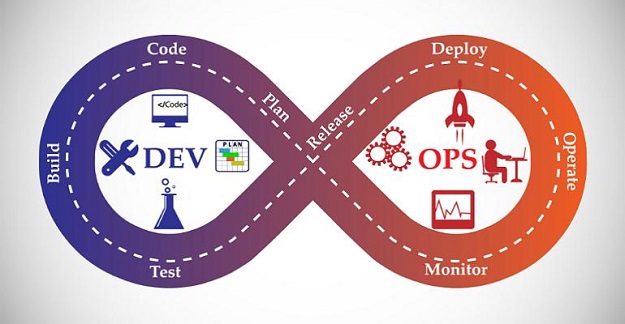
In modern web dev, deployment and DevOps mean automating workflows, moving between environments, and allowing your app to make it to its final destination. Open source deployment and DevOps tools aim to perform these tasks simply, while allowing you to automate deployment pipelines, monitor performance, and autonomously scale your app.
Here are the best open-source deployment and DevOps tools:
Docker
● A platform for building and running applications inside containers.
● Ensures consistency across environments, simplifying testing and deployment.
Kubernetes
● A container orchestration platform.
● Helps manage and scale containerized applications, ensuring reliability in production.
Ansible
● A configuration management tool for automating server setups.
● Great for provisioning infrastructure and managing deployments at scale.
Travis CI
● A continuous integration platform that automates builds and deployments.
● Helps ensure that your code is always in a deployable state.
Honorable Mentions: Other Useful Open-Source Tools
The tools we have mentioned so far address the key areas of web development, deployment, and DevOps. Like the tools we’ve mentioned so far, numerous other open-source tools augment your overall process and provide value, not necessarily in the foreground, but some differentiating uniqueness that might translate into additional efficiencies, improved collaboration, and improved quality throughout the development cycle.
VS Code
A light-code editor supporting multiple languages, extensions, and debugging environments to enhance productivity for developers.
GitLab
Web-based DevOps application that integrates Git repository management, CI/CD, and monitoring, streamlining the development process.
Postman
API development environment for testing and working with APIs, to make endpoint testing easier, and simplify tests.
Figma
Web-based design tool that enables real-time collaboration for UI/UX design and prototyping.
Swagger
An open-source API design and documentation framework that delivers an interactive API documentation page.
Zsh
A robust shell that improves terminal productivity through advanced tab completion and customization.
Conclusion
Open-source solutions are incredibly versatile, user-friendly, and budget-friendly, as they enable them to play an important part in the industry of web development. From front-end libraries and back-end frameworks or deployment tools, the products here can streamline your development work, save costs, and enable team collaboration.
Open-source tools are a great option whether you’re developing a small project or scaling a big platform, as they help make your process smoother and your product more reliable. With so many benefits, it is a no-brainer for all web development teams in our fast-paced world to use open-source tools.


