

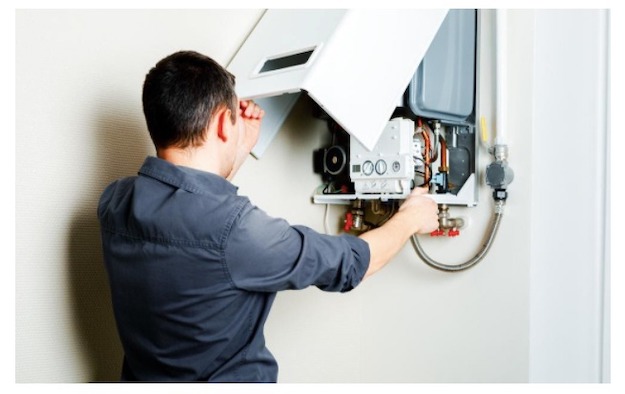
It’s easy to take a water heater casually until you don’t have it at all. Fortunately, it is rare for a hot water heater to fail on you without notice. This is the reason why it is vital that you not dismiss the warning signals of a malfunctioning water heater. If you understand how to identify the warning signs that the water heater is about to fail, you can avoid the damage and high cost of repairs.
Few domestic surprises are as frustrating as stepping into a shower expecting warm water, only to be hit by a freezing stream. Beyond daily inconvenience, an aging appliance can rupture suddenly and cause thousands of dollars in property damage. Spotting the early warning signs that your water heater is about to fail gives you time to plan a replacement before facing a basement flood or an expensive emergency plumbing invoice.
It’s a good idea to familiarize yourself with the components of your hot water heater. This will allow you to judge the water heater perfectly. First of all, there are Protective linings that surround a storage tank in classic water heaters. The burners for heating the water are contained in a pipe in the middle. It’s possible to configure them in a variety of ways depending on whether they’re powered by electricity or by gas. Corrosive particles are drawn to an anode rod, which extends its lifespan.
The average lifespan of a hot water heater is ten to fifteen years. The average lifespan of a hot water heater is ten to fifteen years. A water heater might fail for a variety of reasons. Over time, anode rods are depleted and must be replaced. Metal tanks can rust or leak. Heating elements stop operating or break down. Occasionally, a component can be swapped out for a new one. It’s better to replace the entire unit if your water heater has a habit of failing, especially if it’s been more than ten years.
Most traditional tank units have an expected operational lifespan of 8 to 12 years. As internal components wear down, your system sends clear physical indicators that its structural integrity is declining. Here are four crucial warning signs you should never ignore.
1. Strange Rumbling, Popping, or Banging Noises
A healthy tank operates relatively quietly. If you start hearing loud banging, crackling, or popping sounds whenever the unit heats up, sediment accumulation is usually the primary culprit. Over time, naturally occurring minerals like calcium and magnesium settle at the bottom of the steel tank.
As this sediment layer hardens, it creates a thick barrier between the heating element and the water. The trapped pockets of moisture beneath this scale crust boil rapidly, creating loud popping sounds. This process causes several severe issues:
A. Overheating: The system must run longer and hotter to heat the water through the dense mineral deposit.
B. Metal Fatigue: Repeated thermal stress weakens the bottom steel plate of the tank.
C. Higher Utility Bills: Inefficient heating forces your electric or gas system to consume significantly more energy.
While annual tank flushing can remove soft mineral buildup early on, hardened sediment typically signals that internal structural wear has already progressed too far. Some plumbing companies offer very good deals for replacement.
Don’t Miss-
What to Consider When Purchasing the Right Ultrasonic Humidifier
2. Rusty or Discolored Hot Water
Turning on your bathroom or kitchen faucet and seeing brownish or reddish water is an immediate red flag. However, it is essential to determine whether the corrosion is coming from your household plumbing pipes or the storage tank itself.
To test this, run cold water through the tap for two minutes. If the cold water runs crystal clear, but your hot water remains rusty, the interior lining of your tank is actively deteriorating. Tank units contain a sacrificial anode rod designed to attract corrosive elements and protect the steel structure. Once this sacrificial rod erodes completely, corrosion attacks the inner walls of the tank.
Internal rust cannot be scraped away or repaired. Once corrosion penetrates the steel walls, microscopic cracks form, eventually leading to a complete tank failure. If your heating element is broken you have a very big problem on your hand. Old water heaters are just not worth it. Replace them and buy a new model for a maximum value of money.
3. Water Pooling or Moisture Around the Base
Finding standing water or dampness around the base of your unit requires urgent attention. Moisture issues generally stem from two distinct sources:
A. Loose Fittings or Valve Issues (Fixable)
Small drips around the temperature and pressure (T&P) relief valve, drain valve, or top inlet connections can often be repaired by tightening fittings or replacing a faulty valve.
B. Fractured Tank Body (Requires Replacement)
As metal expands when heated and contracts when cooling, years of thermal movement cause hairline fractures in corroded tanks. If water is seeping directly through the outer insulation or the bottom seams of the body, the tank integrity is compromised.
A leaking tank body cannot be patched or welded. Since the tank holds gallons of water under continuous house pressure, a small leak can quickly transform into a catastrophic burst.
4. Inconsistent Temperatures and Hot Water Shortages
Do you notice your hot water running out halfway through a single shower? Or does the water temperature fluctuate unpredictably between scalding hot and lukewarm without anyone touching the dial?
Diminishing heating capacity indicates that the internal components are failing:
# Failing Heating Elements: Electric units rely on upper and lower heating elements. If one element burns out, the unit delivers only half its normal hot water volume.
# Faulty Thermostats: Malfunctioning thermostats fail to signal the burner or element to heat water to the target temperature safely.
# Broken Dip Tube: The plastic dip tube directs incoming cold water to the bottom of the tank to be heated. If this tube cracks or breaks off, incoming cold water mixes directly with the hot water at the top, delivering lukewarm water to your taps.
Preventive Maintenance vs. Timely Replacement
When dealing with minor component failures like a faulty thermostat or a worn anode rod on a 5-year-old system, a simple repair makes sense. However, if your equipment is over 8 years old and exhibits multiple symptoms like tank leaks or persistent noise, replacing the unit proactively is the safest and most cost-effective path forward.
Wrapping Up: What to Do When Your Water Heater Is About to Fail
An aging appliance does not have to result in a sudden home emergency. By recognizing the warning signals—such as unusual popping sounds, rusty tap water, sudden leaks, or fluctuating heat levels—you can take control of the situation before extensive structural damage occurs.
If you notice any of these red flags and suspect your water heater is about to fail, turn off the power supply and water line, and consult a qualified plumbing technician immediately to evaluate your replacement options.


